About Finca's coffee trail
Finca has two department: Finca. Hub which is a sourcing-export/import european company and Finca.lab, roastery established in France, the Netherlands, and Belgium, with the sole mission of showcasing the best work of specialty coffee producers in Colombia, through short supply chains and within timeframes that ensure fresh coffee.
By offering our services to producers and retailers, Finca.lab benefits from its own logistics, distribution, marketing, and legal representation services.
Finca.Lab selects, analyzes, and evaluates the qualities of a coffee lot to determine how to distribute it within the European market, both as green coffee and roasted coffee.
Sebastián Pinzón, our quality director, is responsible—along with confirmation from the European sales team—for selecting and profiling each coffee to determine how to roast it and bring out its best qualities, in order to find its place within European consumption habits. This includes identifying the appropriate preparation methods such as espresso, filter, unfiltered coffee, and others.
Coffee trail step-by-step
How Finca keeps coffee business real
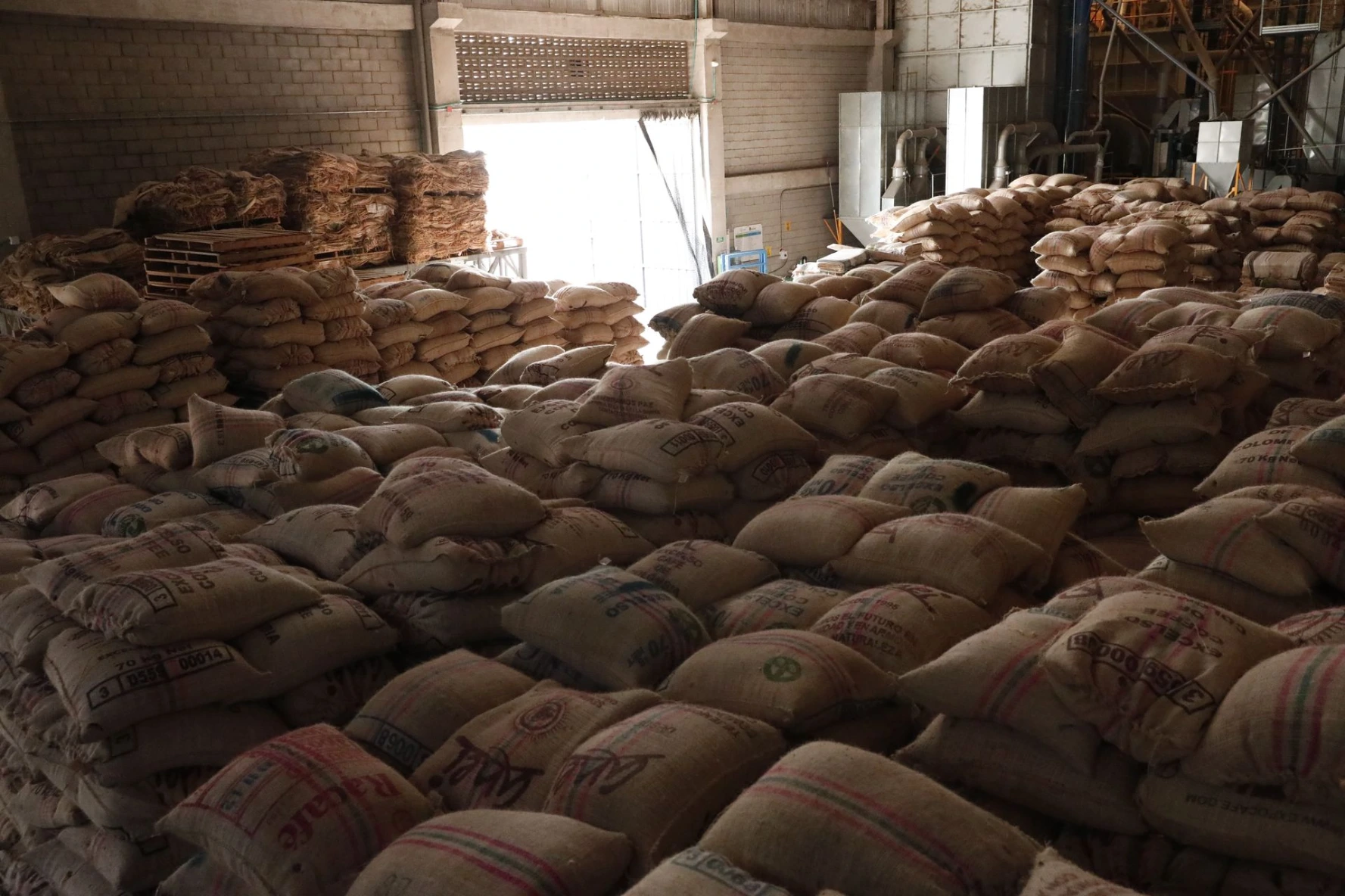
Origin and sourcing
Everything begins in the Colombian mountains, when Sebastián receives messages from friends, contacts, and connections within the Colombian coffee community, in Salento, Quindío. This is how we discovered the work of Sigilo, a processor working with farms in Huila or on their own farm in Quindío. Sometimes, this happens through recommendations from the European team to investigate hidden gems. This is also how we began working with John and Diego from Finca La Guayacana.
With a destination in mind, Sebastián knows how to engage through immersion in the producers’ environment, the terroir, and all the stories that have shaped the lots, including the level of innovation at the farm. This is the first step in understanding a coffee bean: knowing it, studying its place of origin, its surroundings, its nourishment, and the path that shaped it. This includes all the techniques used by the producer and their teams.
Key Differences:
- Natural (Dry) Processing focuses on letting the fruit dry on the bean, resulting in intense fruit notes and less acidity.
- Washed (Wet) Processing removes the fruit and mucilage, leading to a cleaner, brighter flavor with more acidity.
- Honey (Pulped Natural) Processing balances between the two, with varying amounts of mucilage left to control sweetness and body.
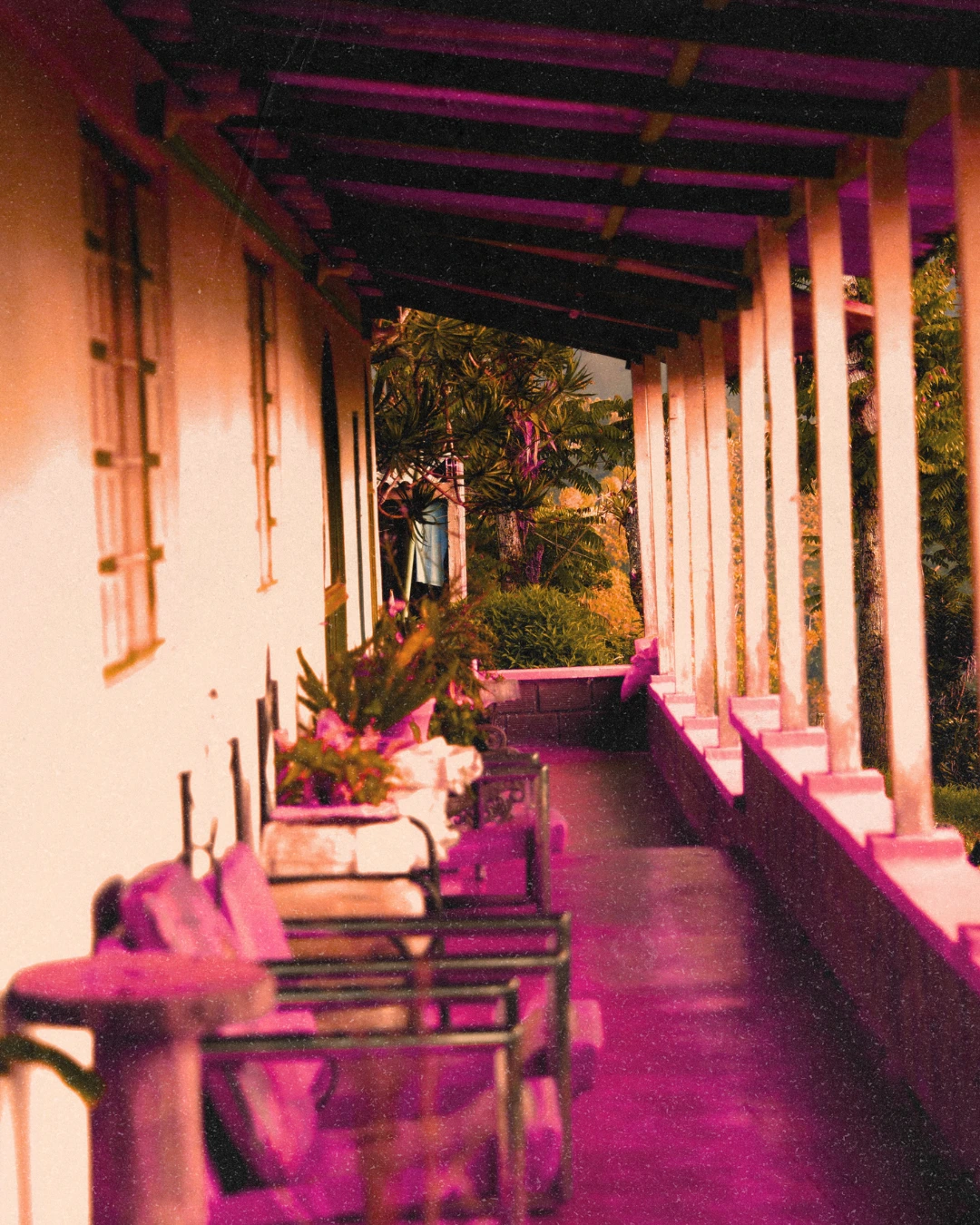
Vision and collaboration
After analyzing the system structuring the farm and their sourcing of coffee from neighboring producers, Sebastián moves to the next stage. It is essential to understand that we aim to build long-term collaboration.
We say not to work just for breakfast, but to earn all meals. We seek better valuation of specialty coffee to avoid speculation on coffee quality. We aim to preserve the reality of the coffee world so that it becomes more dignified for the producer than for the consumer.
Most farms that have a brand or act as processors purchase lots from nearby producers. Most farms do not exceed 5 hectares. It is very rare to work with farms that have more than 5 hectares of production area.
There is therefore local collaboration through “production meadows,” as they are called. Farms can reach 10 hectares, especially when they come from collective family properties. Generally, these are second- or third-generation farms, with new generations gradually specializing in specialty coffee.
Commodity coffee, meaning “industrial” coffee, remains part of all production as a short-term means of meeting personal needs. However, specialty coffee appears as a promise to work for quality rather than quantity.
With Finca.Lab, we aim to teach the richness of coffee’s economic impact on people’s lives so that people consume coffee “better.”
We allow the producer to choose the coffee price, with guidance from Finca.Lab and its experience. We then build an export, import, and distribution plan.
Coffee analysis and validation
After explaining the next steps, we receive coffee samples to confirm the lots that Sebastián tasted during cupping sessions.
This is the technical moment for Sebastián to use all his knowledge in roasting, processing, and profiling. He conducts an in-depth analysis by creating a coffee profile sheet and gives his approval to send samples to Europe.
Our goal is to build the best possible product by studying quality, price, and spatio-temporal availability.
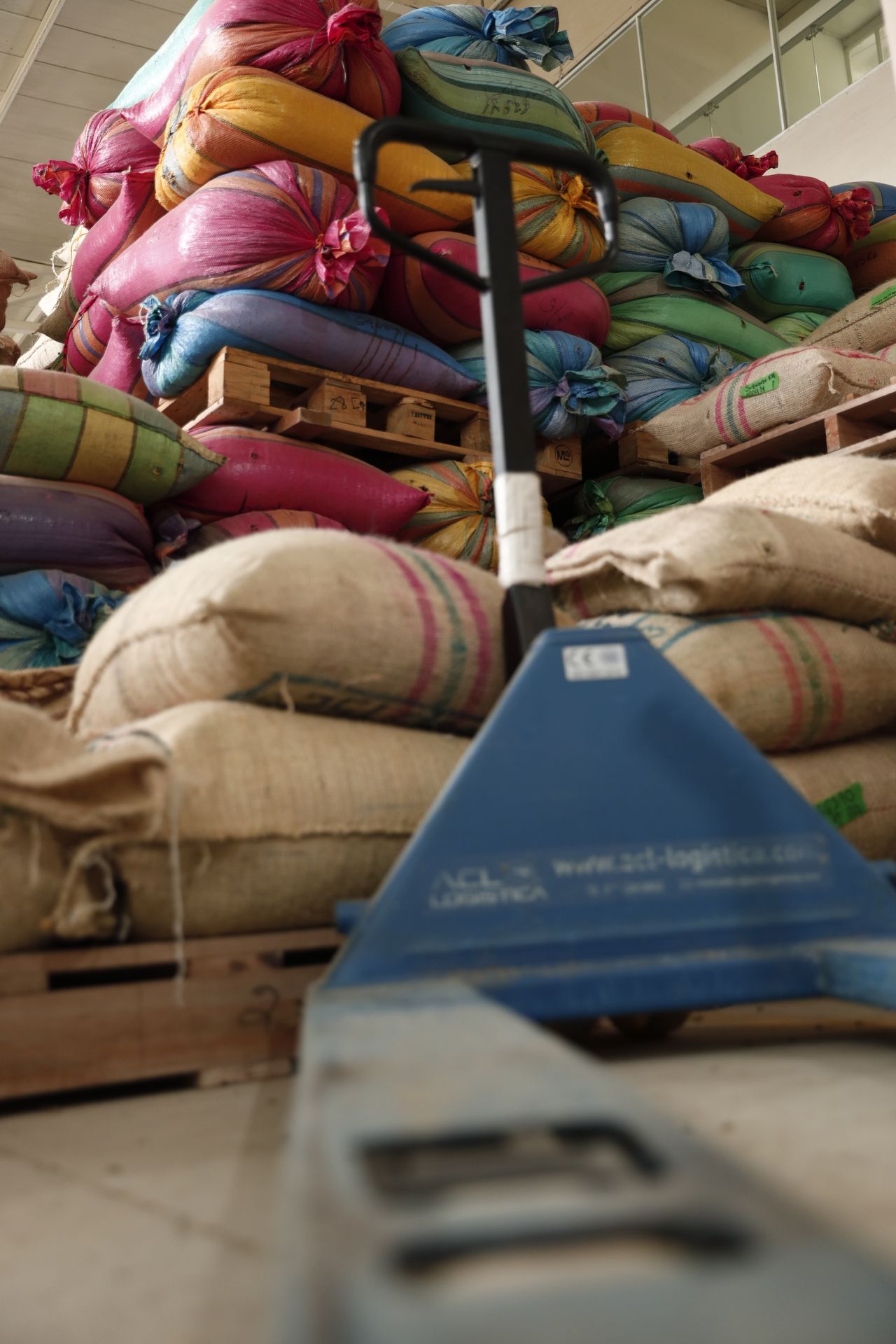
Logistics and commercial planning
Based on the price set by the producer, with adjustments if necessary by Finca.Lab, we establish an action plan—mainly logistical and commercial—to present and obtain validation from producers.
We explain that the producer becomes an investor simply through the value of the quality of their lots, which we take on consignment for distribution.
We define a strategic plan covering:
- quantities for green or roasted distribution collections
- Finca.Lab B2C and B2B
- volumes allocated to Finca.Hub logistics distribution
Once the action plan is confirmed, Finca.Lab schedules export dates by air and sea, with air shipments being the most frequent.
Coffee preparation and sorting
From that point, with at least one month’s lead time, the coffee in “pergamino” (harvested, processed, and dried) is sent to sorting facilities or “trilladoras.”
These are facilities with significant machinery requiring substantial industrial investment and/or manual labor for quality control.
The coffee is sorted by size and quality. At this stage, it is crucial to anticipate weight loss and homogeneity margins to determine export quantities.
After being processed through four machines:
- one that removes dust
- a first sorting by weight using airflow
- a second weight sorting by rebound
- sorting by size (diameter)
It then goes through color sorting.
For micro-lots or nano-lots, a final manual selection may be done in isolated rooms.
The less heterogeneous the lots, the better the work. It is essential to recognize and study the beans to assess quality, profitability, and, in worst cases, detect contamination or substitution with lower-quality beans.
Packaging and export
Transport and distributionThe coffee is shipped:
- 12 hours transit by air
- 15 days transit by sea
It then arrives at our logistics partners’ warehouses in Amsterdam or Vlissingen.
It is inspected and cleared by customs before being handed over to our transporters for delivery to our warehouses or directly to final destinations.
Within 24 to 48 hours, our transporters can deliver coffee across Europe.
This cost is included in the Door2Door service.
All transit durations and steps are recorded in Verto by our teams, a public quality evaluation tool used by Sebastián.Roasting and final distribution
Depending on the destination client, the coffee may be roasted in different parts of Europe.
For Finca.Lab collections, the coffee is taken to Altura Co-Roasters to be roasted, packaged, sold, and delivered.
You can buy our selection online or at our shop in Paris at 5 rue du liban, 75020.
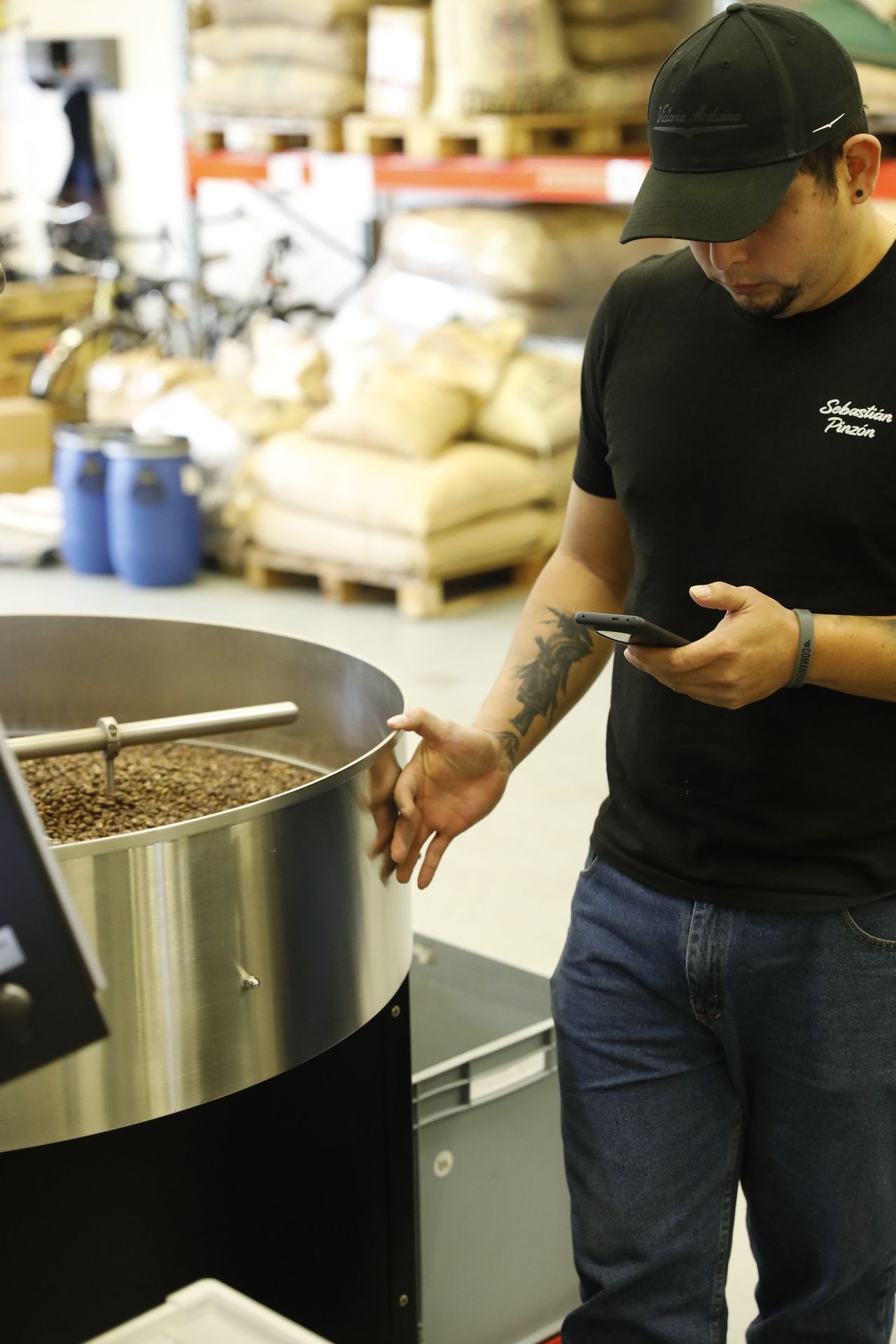
Ready now ?
Now that you know our commitment to transparent, ethical, and high-quality Colombian specialty coffee, it’s time to take action: explore and order our coffees online at finca.lab and let yourself be carried away by unique flavors, directly from Colombia’s finest terroirs.